Covestro Partners with Denoshu to Integrate TPU Films and Printed Electronics Technologies, Accelerating the Commercialization of Touch Interaction in Smart Cockpits
May 26,2026 | Adhesive
Collaboration Overview | Cross-Industry Partnership to Develop Smart Automotive Interiors
As the automotive industry moves toward comprehensive electrification and intelligent development, automotive interiors are no longer focused solely on aesthetics and comfort,Flexible Human-Machine Interactionis gradually becoming a key focus in the development of next-generation smart cockpits. In response, global materials leader科思创(Covestro)recently signed a memorandum of understanding with Jiangsu Denoshu Electronics Co., Ltd. The two parties will center their collaboration on ultra-flexible printed electronic haptic interaction systems, conducting joint R&D and commercialization initiatives to promote the large-scale adoption of advanced flexible electronic technologies in the automotive interior market.
Division of Responsibilities | Complementary Integration of Materials and Systems
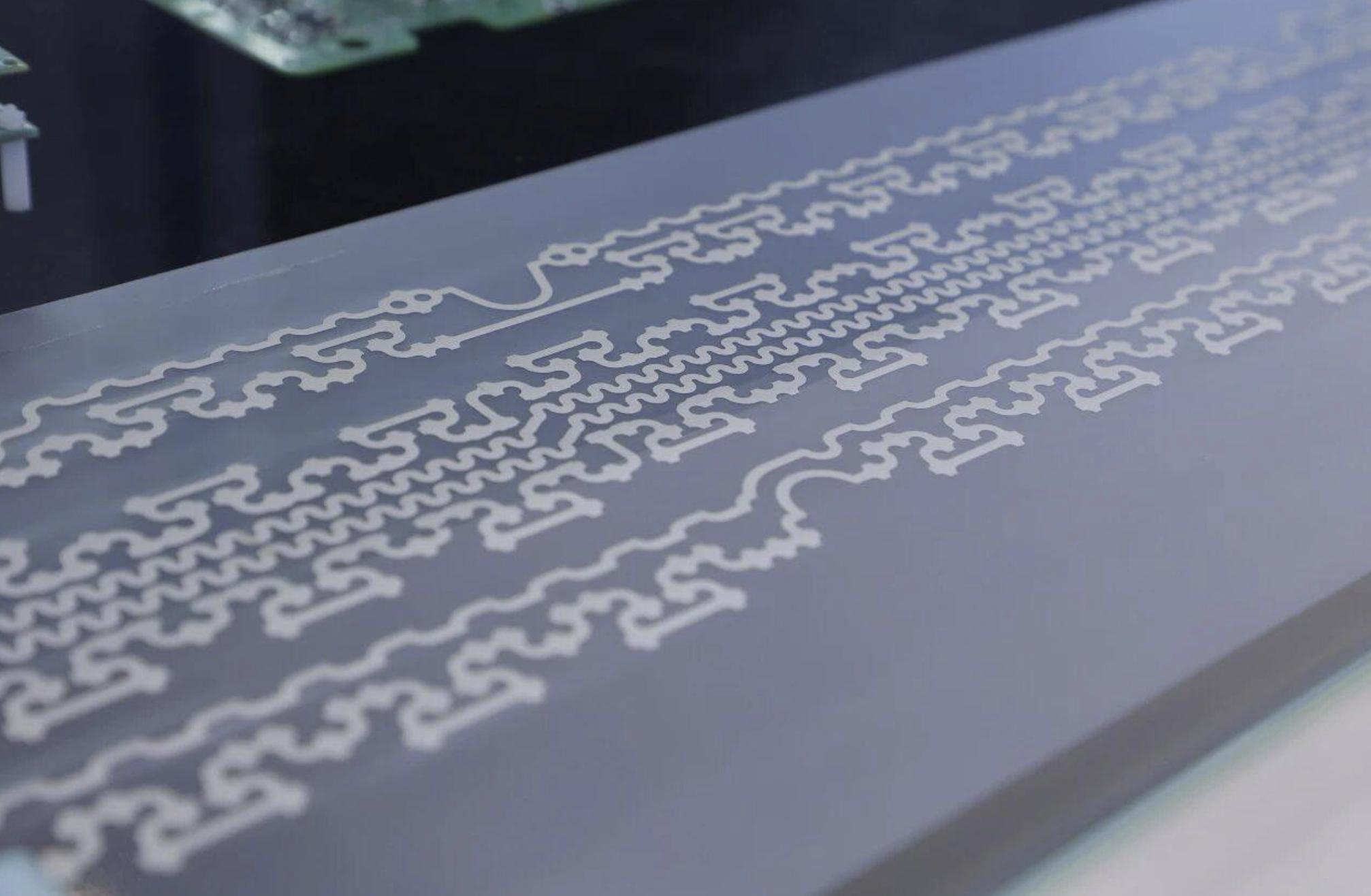
According to the memorandum of understanding, the project will adopt a division of responsibilities based on “material R&D + system integration.” By leveraging their respective strengths, the two parties will build a complete end-to-end industry chain. 科思创(Covestro) will be responsible for the R&D, optimization, and mass production ofthermoplastic polyurethane (TPU) filmsas substrates. High-performance TPU films offer excellent flexibility, weather and durability resistance, three-dimensional formability, ink adhesion, and long-term environmental stability. They are ideally suited to printed electronic processes and are an indispensable key substrate for realizing automotive-grade flexible circuits.
Denoshu will focus on the development and commercialization ofhaptic interaction assembly systemsand will be responsible for circuit structure design, touch-control logic tuning, and overall module integration. Through complementary resources and technology sharing, the two parties will jointly develop a full-chain solution spanning basic film materials, flexible printed circuits, and smart interaction modules, addressing the industry challenge that traditional rigid buttons are difficult to adapt to 3D curved automotive interiors.
Application Scenarios | Creating a Fully Intelligent Smart Cockpit Experience
The technology developed through this collaboration will primarily target multiple high-frequency application areas in automotive interiors, including core components such as center consoles, steering wheels, door panels, seats, and headliners. The R&D team aims to integrate body sensing, automatic seating-position adjustment, temperature control, driver health monitoring, and multi-mode touch interaction functions, replacing traditional physical buttons and rigid panels with flexible films.
This solution can not only simplify interior structures, free up cabin space, and enhance visual quality and riding comfort, but also help automakers achieve minimalist, electronic, and intelligent cockpit upgrades, creating a more intuitive, safe, and user-friendly human-vehicle interaction experience.
Industry Vision | Promoting Technology Adoption Through Unified Standards
In addition to technology R&D and product commercialization, the two parties also plan to jointly participate in the development of relevantindustry regulations and automotive standardsestablishing unified guidelines for material specifications, reliability testing methods, and installation standards for ultra-flexible haptic interaction systems. By improving supporting industry standards and regulations, the collaboration will lower the barriers to adoption for automakers, pave the way for the subsequent commercialization, widespread adoption, and mass production of the technology, and help flexible printed electronics become a mainstream solution for next-generation smart automotive interiors.
Comment