What Glue Can Bond PP Materials? A Low-Cost, Practical Bonding Solution
Jun 09,2026 | Adhesive
PP (polypropylene) is an extremely common plastic material used in daily life and industry. It offers advantages such as being non-toxic and odorless, heat-resistant and insulating, affordable, and chemically stable, and is widely used in various everyday products and industrial components. However, most people encounter the same problem during actual use:PP materials are extremely difficult to bond, and ordinary adhesives either fail to bond at all or provide extremely low bonding strength, detaching with even a gentle pull.
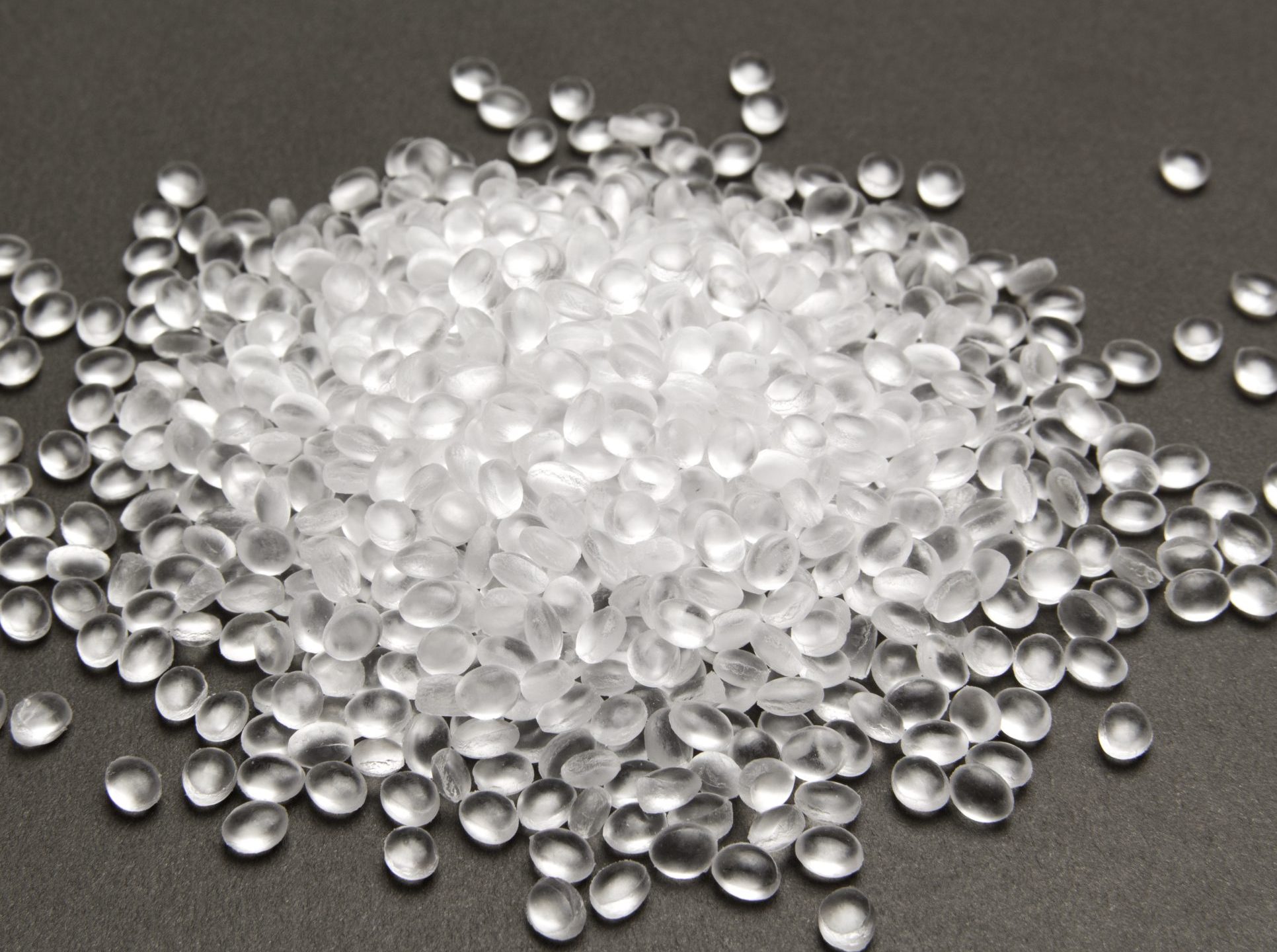
Why is PP so difficult to bond?
The difficulty of bonding PP is not due to poor adhesive quality, but rather the material's physical and chemical properties. There are two core reasons:
1. Extremely low surface energy: The adhesive cannot spread or wet the PP surface evenly, making it impossible to form effective adhesion;
2. A stable and highly inert molecular structure: PP molecules are tightly arranged, and the surface has almost no functional groups that can react with the adhesive, preventing the formation of stable chemical bonds. In addition, its smooth surface means that physical adsorption alone cannot achieve a strong bond.
Drawbacks of Common PP Bonding Methods (Why They Are Not Recommended)
Traditional PP surface treatment and bonding methods on the market commonly involve high equipment costs, difficult operation, potential safety hazards, and unstable results, making them unsuitable for low-cost applications:
1. Flame treatment: The PP surface is activated by exposure to a flame to improve bondability, but the process is difficult to control and can easily cause deformation or scorching. The error rate is extremely high for beginners;
2. Corona treatment: The surface is activated through high-voltage corona discharge, requiring professional equipment. The process can also generate sparks, creating safety hazards, making it unsuitable for home use or small workshops;
3. Sanding for surface roughening: Sanding or sandblasting is used to increase surface roughness, but manual sanding provides poor uniformity, resulting in unstable bonding performance and extremely low consistency in batch operations;
4. Solvent-based adhesive bonding: Organic solvents are used to improve interfacial compatibility, but these adhesives often contain hazardous substances such as toluene and acetone, posing health hazards and environmental risks.
The Best Low-Cost Solution: Primer + Instant Adhesive Combination
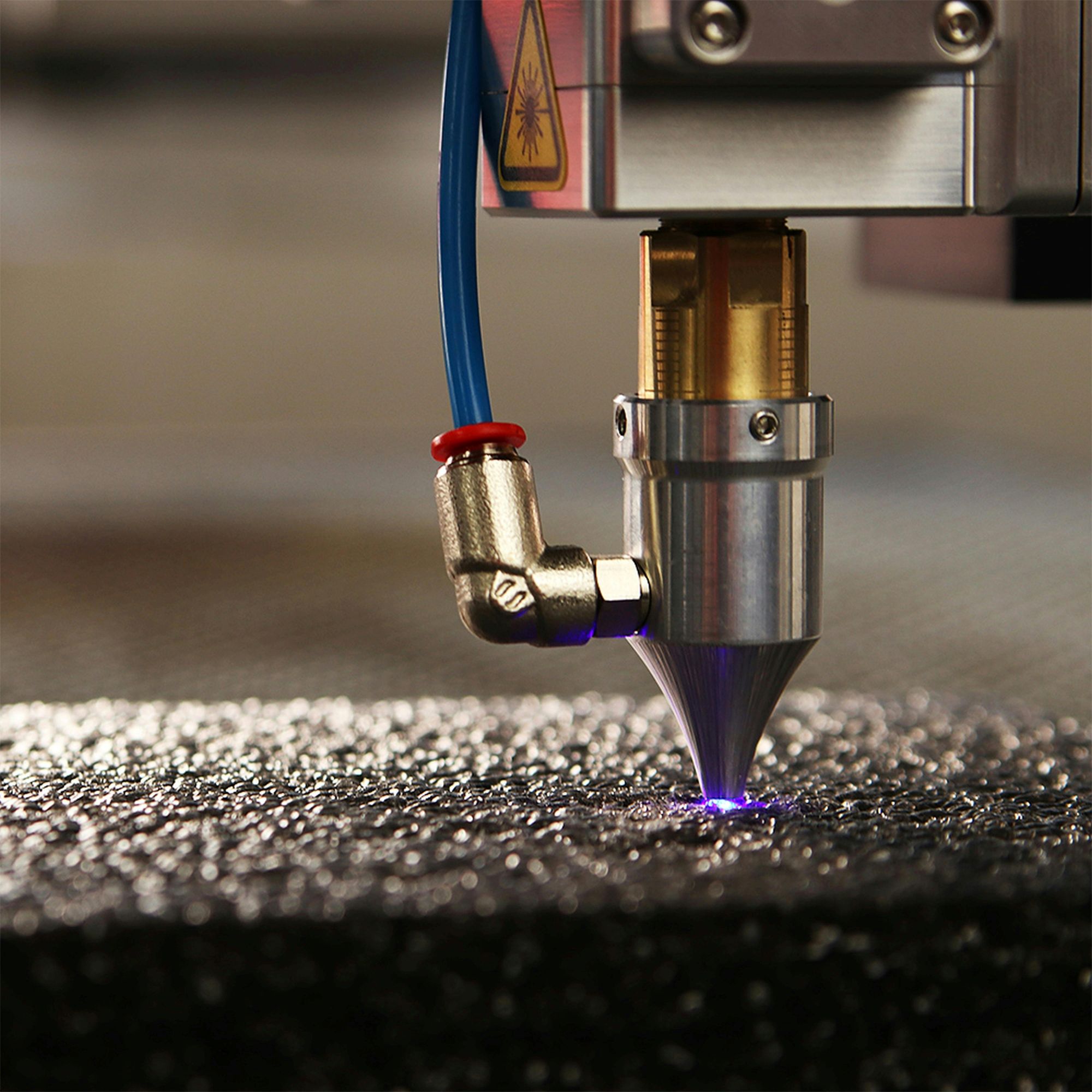
For low-cost, equipment-free, and high-strength bonding of PP materials, the most practical approach currently used in the industry is not to switch adhesives, but toactivate the inert PP surface first, then bond it. Henkel LOCTITE has developed a dedicated solution for the challenge of bonding PP. It requires no professional equipment, is easy to use, and is affordable, making it perfectly suitable for household repairs and small-batch industrial production.
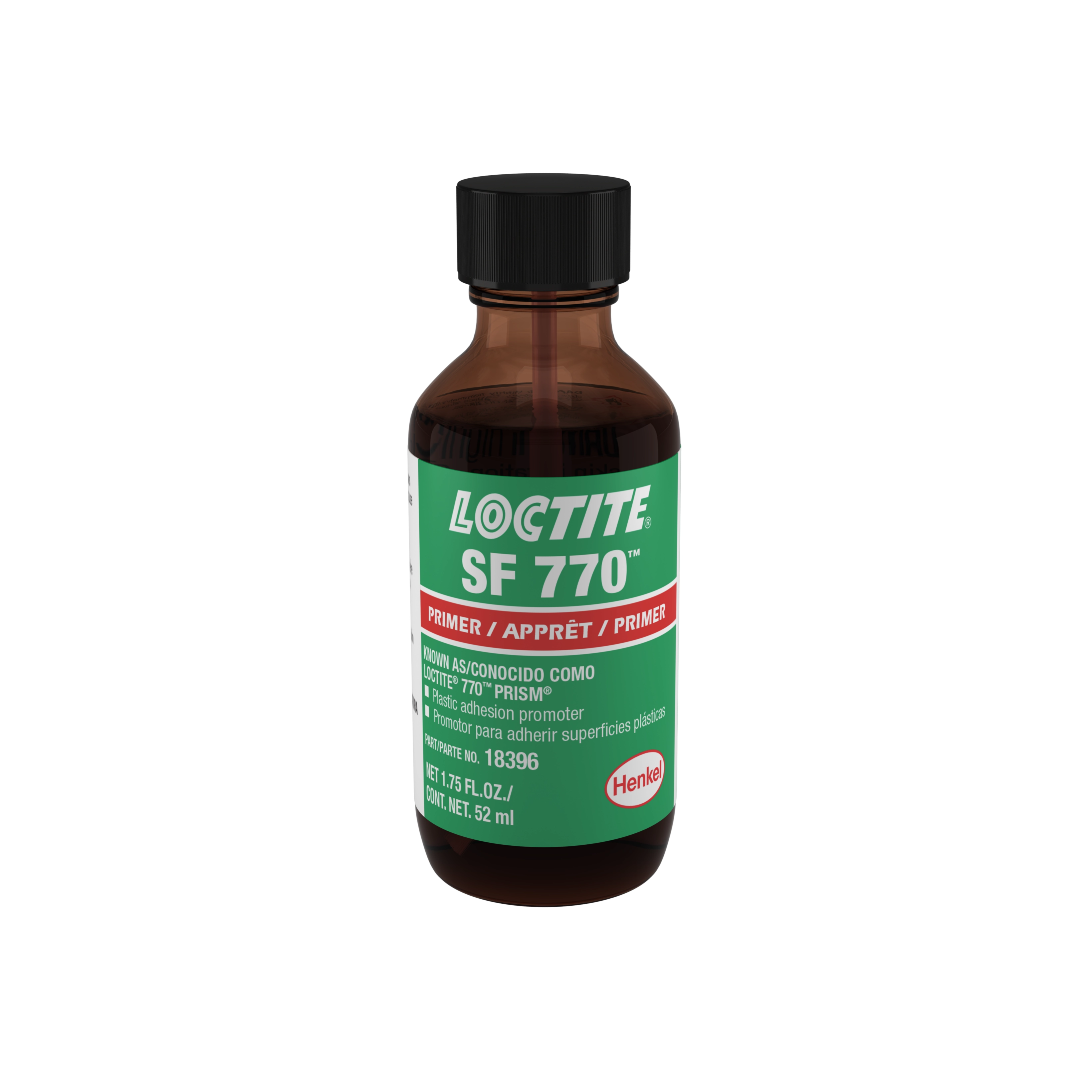
Step 1:LOCTITE 770 Primer (Professional Activation of Difficult-to-Bond Surfaces)
As a key component in PP bonding, 770 Primer is specially designed to activate low-surface-energy, inert materials such as PP, PE, PTFE, and silicone, addressing poor bond strength at its source. Its key advantages include:
• Fast drying and high efficiency: It dries completely in just 8-9 seconds at room temperature, allowing bonding operations to begin immediately without time-consuming waiting;
• Detectable and quality-controllable: It exhibits UV fluorescence after curing, allowing coating uniformity to be checked with a UV lamp, making it suitable for quality control in small-batch production;
• High penetration and wetting: Its low-viscosity formula can deeply penetrate the microscopic texture of the material surface, greatly improving the adhesion of the adhesive applied afterward;
• Designed for difficult-to-bond substrates: Specifically formulated for PP, PE, and other inert plastics, it is the first choice for low-cost activation of PP surfaces.
Usage Tip: Before applying the primer, clean dust and oil from the PP surface and ensure that it is clean and dry for better bonding results.
Step 2: Pair with Two High-Value LOCTITE Instant Adhesives
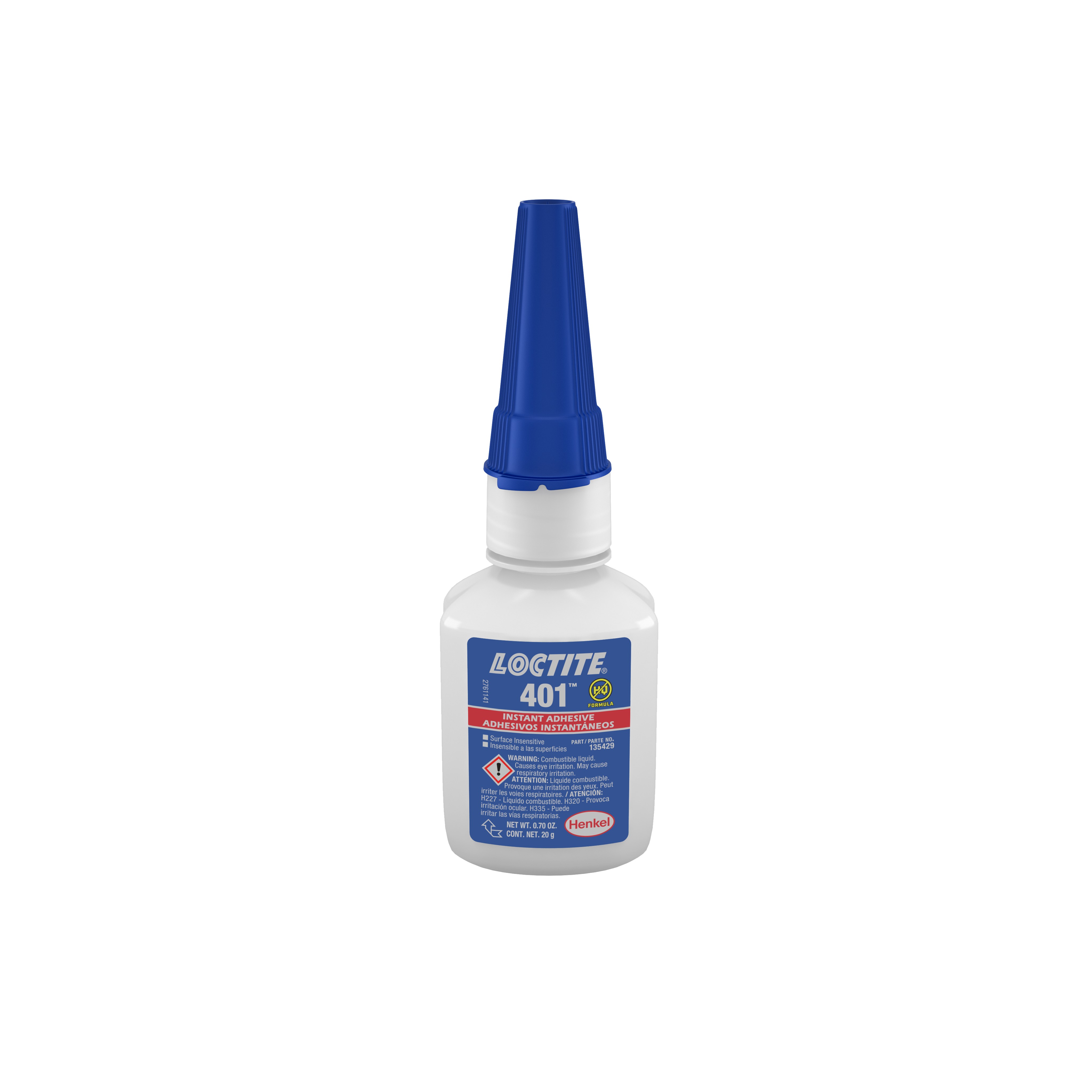
1. LOCTITE 401 General-Purpose Instant Adhesive (Universal High Strength)
When used with 770 Primer, it delivers strong bonds for PP, as well as for dissimilar materials such as PP-to-metal, rubber, and other plastics, offering the best overall value:
• Fast Curing: Fast initial cure in 5 seconds at room temperature, with no clamps required;
• Highly Versatile: Bonds most materials, including plastics, metals, wood, leather, paper, and fabric;
• High Bonding Strength: Remains firmly bonded after curing and resists detachment, meeting the needs of everyday repairs and industrial applications;
• Excellent Practical Performance: Fills fine gaps up to 0.15mm and withstands temperatures from -40℃~120℃;
• Environmentally Friendly and Safe: Certified under the EU REACH regulations and free of hazardous substances such as hydroquinone (HQ).
2. LOCTITE 406 Penetrating Instant Adhesive (For Fine Structures)
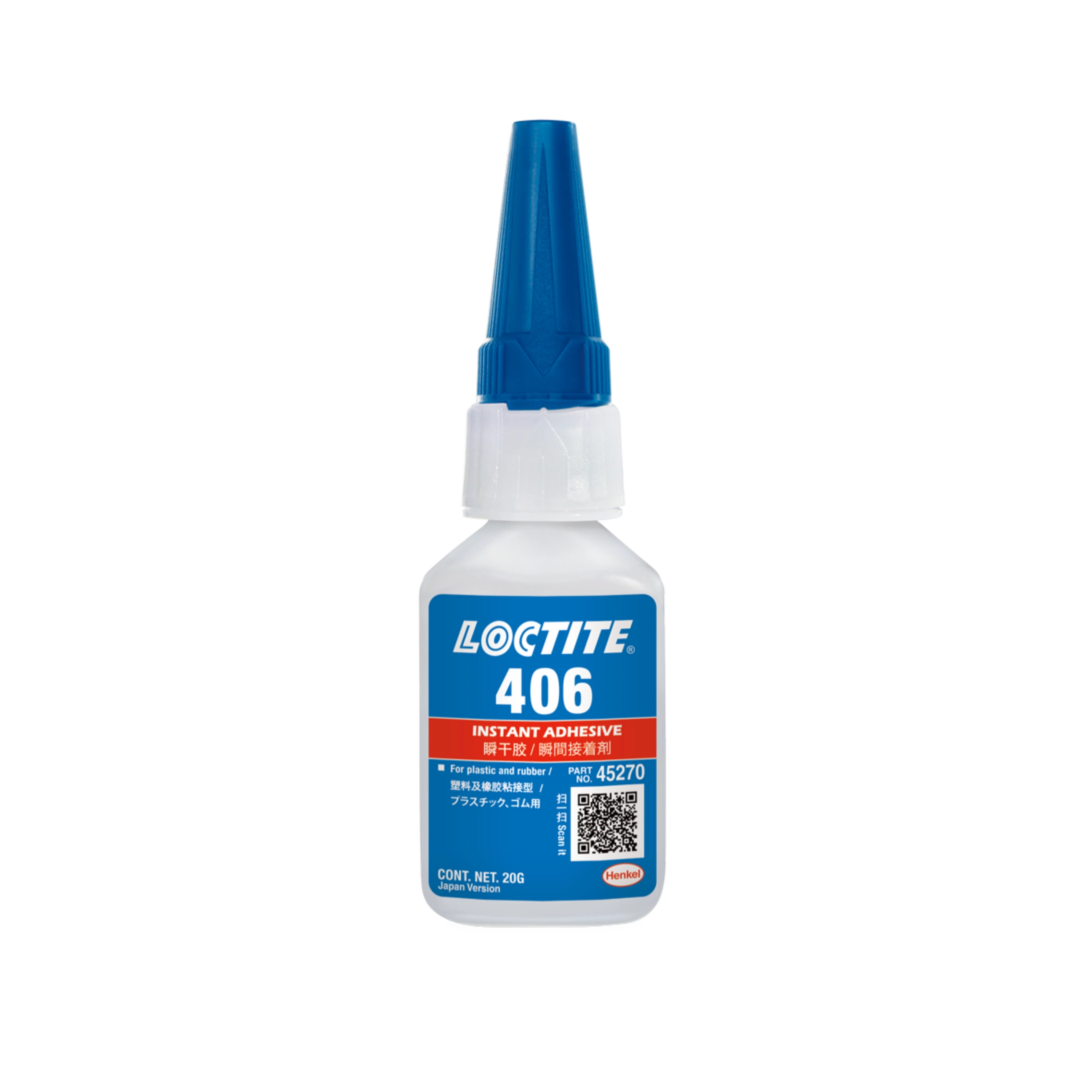
For PP bonding applications involving narrow gaps and precision structures, its low-viscosity penetrating formula offers greater advantages:
• Excellent Penetration: Its lower viscosity allows it to penetrate deep into microscopic gaps, forming a dense bonding layer;
• Fast Initial Cure: Achieves initial curing in approximately 30 seconds for high operating efficiency;
• Stable Temperature Resistance: Once cured, it withstands temperatures up to 120℃, making it suitable for most room-temperature and medium-temperature applications;
• Safe and Environmentally Friendly: Complies with REACH environmental standards and contains no harmful additives, making it suitable for everyday and industrial applications.
Summary
Bonding PP materials can be challenging, but solutions are available. Traditional methods such as sanding, solvent-based adhesives, and flame treatment either deliver poor results or involve high costs and low safety. The combination of 樂泰770底塗劑+401/406瞬干膠requires no specialized equipment and offers simple operation, low cost, and high bonding strength. Whether for small-scale household repairs or small-batch industrial production, it can effectively solve the problems of weak PP bonds and easy detachment.
If you would like to learn more about detailed process parameters and application-specific solutions, please feel free to contact us at any time.
Comment